

Building a Budget That Survives Rising Prices
Step-by-step approach to tracking expenses, identifying where inflation hits hardest, and creating a flexible budget that adapts when prices climb.
Read MoreUnderstanding how subsidy rationalization affects your household budget, which sectors matter most, and practical ways to adapt when prices shift.

Subsidy rationalization isn’t a new concept, but it’s reshaping how Malaysians manage their monthly expenses. Governments reduce subsidies to balance budgets, which means prices rise for essentials like fuel, electricity, and cooking oil. The shift happens gradually, sometimes announced in phases, so it’s easy to miss the full picture until you’re already feeling the pinch at the checkout counter.
Here’s what you’re actually dealing with: when subsidies shrink, the gap between what the government pays and the actual market price gets smaller. That gap closes on your side of the equation — meaning your wallet absorbs the difference. Understanding which sectors get hit hardest helps you plan ahead instead of scrambling when bills arrive.

Not all subsidies matter equally to your household. Three sectors create the biggest ripple effects through your monthly spending.
Fuel subsidies directly affect pump prices. When they shrink, petrol and diesel costs rise. This cascades through everything: taxi fares, delivery services, bus routes, and grocery transport costs. A 30-cent fuel increase can translate to RM 15-20 more per week for an average commuter.
Electricity subsidies keep residential rates lower than actual production costs. When these reduce, utility bills climb 10-15% overnight for many households. It’s a fixed cost that’s harder to cut than discretionary spending. Air conditioning in Malaysia’s climate isn’t optional for most families.
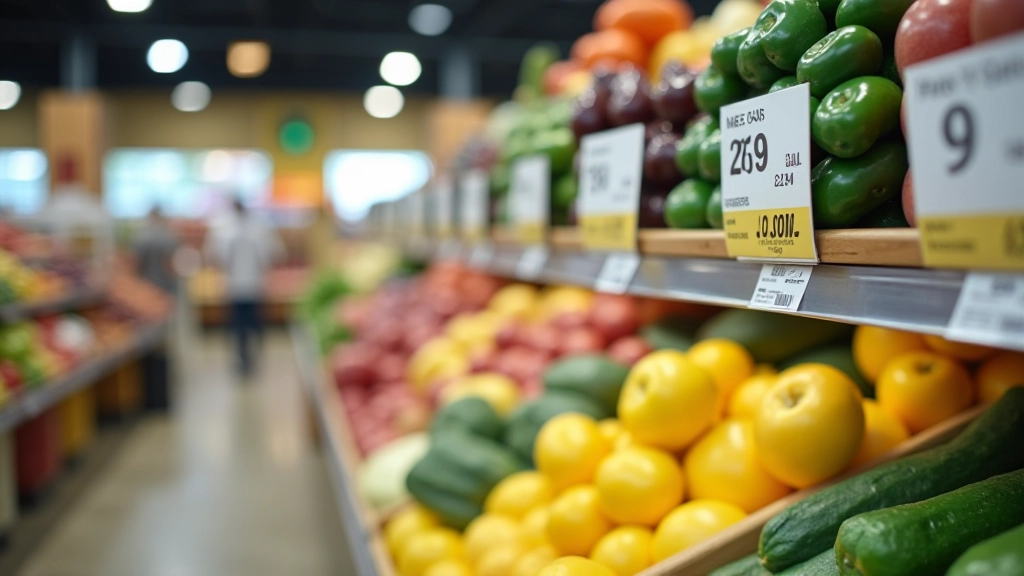
Cooking oil, flour, sugar, and bread often carry price controls or subsidies. When these ease, grocery bills feel immediate. A family spending RM 1,000 monthly on food might see that jump to RM 1,100-1,150. It’s noticeable because you buy these items constantly.
Governments rarely cut subsidies all at once. They phase them in because sudden jumps cause social backlash and economic shocks. You might see fuel prices rise RM 0.10-0.30 per liter in increments, spread over months. Electricity rates typically change quarterly or annually. Food price controls loosen gradually as subsidies decrease.
The pattern matters because it gives you a window to adjust. If you know electricity subsidies are reducing by 5% in three months, you can start optimizing usage now. If fuel costs are climbing slowly, you might shift your commute or consolidate trips. But you’ve got to pay attention to announcements. Most people notice only when the bill arrives.
Pro tip: Follow official statements from the Ministry of Domestic Trade and Cost of Living, TNB (electricity), and Petronas (fuel). These agencies announce changes weeks or months ahead. Setting a calendar reminder to check quarterly saves you from being caught off-guard.

You can’t stop subsidy changes, but you absolutely can adapt your household spending to absorb them without stress.
Before prices rise further, document exactly what you’re spending on fuel, electricity, groceries, and transport. Write down the actual amounts for the last three months. This baseline shows you the real impact when subsidies change. A RM 50 jump in electricity is more noticeable when you know your bill was RM 150 before. It’s also the number you’ll use to recalculate your budget.
You don’t need a huge emergency fund. Start with RM 200-300 set aside specifically for subsidy-related price increases. This covers an unexpected utility spike or fuel jump without derailing your entire month. If you can manage RM 500, even better. This buffer absorbs the surprise so you don’t default to credit card spending or skip necessary expenses.
Don’t cut electricity usage to dangerous levels (fans and AC matter in tropical climate). Instead, optimize. LED bulbs cost RM 20-40 upfront but save RM 30-40 monthly. Adjusting AC by 2 degrees costs nothing but saves 8-10%. A power strip for standby devices cuts phantom loads. These aren’t sacrifices — they’re smarter usage that works whether subsidies exist or not.
Don’t buy everything at premium supermarkets. Mix your shopping: wet markets for fresh produce (often 20-30% cheaper), budget stores for packaged goods, warehouse clubs if you qualify. Meal planning around what’s affordable that week saves 15-20% without feeling restrictive. You’re still eating well — you’re just not paying peak prices for everything simultaneously.
Every three months, check actual spending against your plan. If electricity went up RM 30, adjust your discretionary spending by that amount. If fuel costs stayed the same, don’t second-guess yourself — just stay with your plan. Quarterly reviews catch real changes versus imagined ones. Most people discover they’ve absorbed price increases better than expected once they actually look at the numbers.

The Consumer Price Index measures inflation by tracking prices of typical household goods. Subsidy rationalization directly influences CPI readings because these essential items — fuel, electricity, food — carry heavy weight in the index calculation. When subsidies drop and prices rise, CPI climbs. You’ve probably heard reports saying inflation hit 3.5% or 4% — subsidy changes are often the reason.
Understanding this connection helps you see the bigger picture. It’s not random price increases. It’s a documented policy shift with measurable impacts. Your salary increases or fixed income support might be calibrated partly around expected inflation. Knowing subsidy timelines helps you anticipate whether your income will keep pace with costs.
Subsidy rationalization feels like something happening to you. But once you understand which sectors are affected, how changes roll out, and where you can adjust spending, it becomes manageable. Most Malaysian households absorb subsidy-related price increases without major hardship — they just don’t realize they’re doing it. You’re going to be more intentional about it.
Start this week. Track one category of spending — maybe electricity or fuel. Check one official source for upcoming subsidy announcements. Set aside RM 100-200 as a buffer if you can. These aren’t radical changes. They’re the practical moves that let you stay ahead instead of always catching up.
Ready to build a more resilient household budget? Explore our other guides on understanding CPI, tracking purchasing power, and building budgets that survive rising prices.
Read: Understanding the CPI in Malaysia

This article provides educational information about subsidy rationalization and cost of living in Malaysia. It is not financial advice, and circumstances vary by household income, location, and personal situation. Subsidy policies change based on government decisions and economic conditions — always check official sources like the Ministry of Domestic Trade and Cost of Living, Tenaga Nasional Berhad (TNB), and Petronas for current information. For personalized financial planning related to price increases or budget adjustments, consider consulting with a qualified financial advisor who understands your specific circumstances.